
Articles

How to Pass FRCR Part 1 Physics: What You Need to Know
There’s something uniquely uncomfortable about preparing for the FRCR Part 1 Physics exam. It’s not that it’s impossible, or even unusually tricky compared to other postgraduate exams. It’s that it feels unfamiliar – like something you’re meant to know but never quite...

Sepsis
Sepsis is one of the leading causes of death worldwide but remains a little-known entity to the general public. Every year, around 245,000 people in the UK develop sepsis, and of those, over 48,000 die. The incidence of sepsis in the developed world is increasing by...
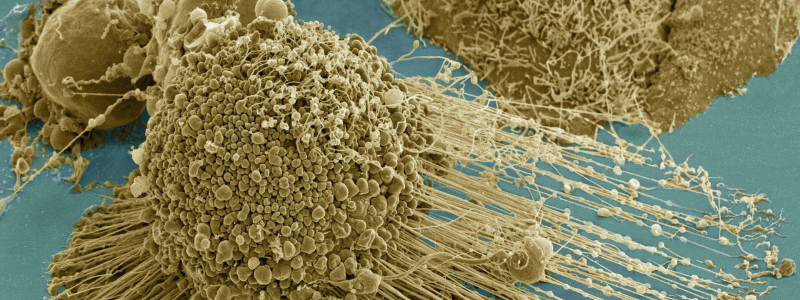
The Immortal cells of Henrietta Lacks
On January 29th, 1951, a young African-American woman named Henrietta Lacks presented to the Johns Hopkins Hospital in Baltimore. She had been experiencing discomfort in her abdomen, which she described as a “knot” in her womb. Four and a half months earlier, she had...
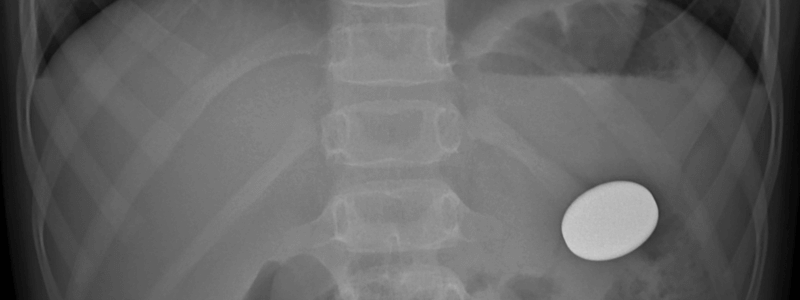
Ingested Foreign Bodies: An Overview
The ingestion of foreign bodies is a common problem that presents frequently to Emergency Departments. Although it can affect any age group, it is most frequently seen in young children between 6 months and 5 years. Coins are the most commonly swallowed objects, but...

Nerve Agents: Recognition and Management in Clinical Practice
Nerve agents, sometimes called nerve gases, are among the most toxic chemical warfare agents known. Originally developed during and after World War II, they are potent inhibitors of acetylcholinesterase and can cause rapid systemic collapse if not promptly managed....