Articles
Adult Congenital Heart Disease: A Radiologist’s Approach
Adult congenital heart disease (ACHD) is now part of routine clinical practice. Survival into adulthood is no longer unusual, and most children born with congenital heart disease in high-income countries now live well into adult life. In the UK, tens of thousands of...

Ischaemic Bowel
Ischaemic bowel disease occurs when there is inadequate blood supply to the intestines, leading to mucosal injury, necrosis, and perforation if untreated. It is a life-threatening emergency with high mortality, particularly in cases of bowel infarction. There are two...
Pertussis
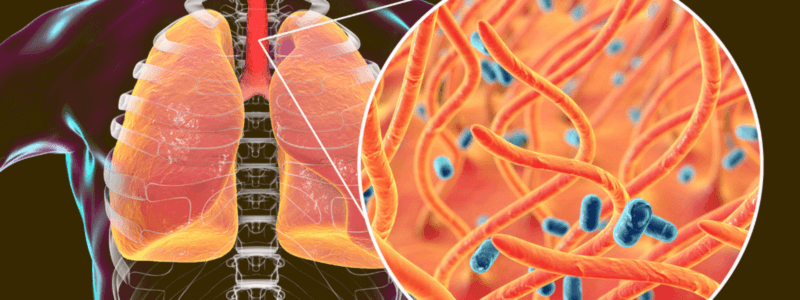
Pertussis, also known as whooping cough, is an upper respiratory tract infection caused by the Gram-negative bacteria Bordatella pertussis. Transmission is via respiratory droplets, and the incubation period is approximately 7-21 days. The disease is highly contagious...

Anticholinergic Poisoning
Anticholinergic poisoning is a potentially life-threatening toxidrome that occurs following exposure to substances that block acetylcholine at muscarinic and, to a lesser extent, nicotinic receptors. It can result in profound central and peripheral effects, ranging...

Understanding Adverse Drug Reactions
Adverse drug reactions (ADRs) are a significant concern in clinical practice, impacting patient safety and treatment outcomes. The World Health Organization (WHO) defines an ADR as “A response to a drug which is noxious and unintended, and which occurs at doses...

Myxoedema Coma
Myxoedema coma is an extreme manifestation of untreated hypothyroidism and is a life-threatening condition characterised by hypometabolism and altered mental status. It commonly affects elderly patients with long-standing hypothyroidism, often precipitated by...

Levels of Evidence and Grading Systems
Levels of evidence A hierarchical system of classifying evidence is an essential part of evidence-based medicine. This hierarchy is commonly referred to as the levels of evidence. When attempting to find the answer to a clinical conundrum, a clinician should actively...

Togo and the Diphtheria Serum Run
Thanks to modern childhood vaccination programs, diphtheria is now a rare illness in Western Europe and the United States. It is still common, however, in developing countries where vaccination rates are low. It is a terrifying illness caused by the airborne bacterium...

Addisonian Crisis
An Addisonian crisis, also known as an adrenal crisis, is a severe and potentially life-threatening condition that arises due to acute adrenal insufficiency. It is a rare condition with an estimated prevalence of around 600 per million, but it does present to the...

Cardiac Arrest in Pregnancy: Critical Considerations
The management of cardiac arrest during pregnancy presents unique challenges that demand specialised knowledge and swift action. Maternal cardiac arrest is a rare but high-stakes scenario that requires a comprehensive understanding of resuscitation techniques tailored...