
Articles
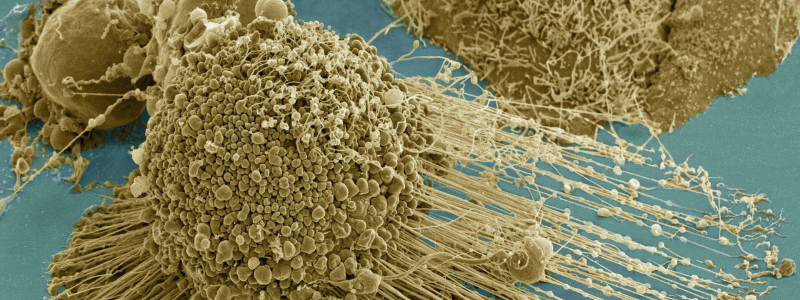
The Immortal cells of Henrietta Lacks
On January 29th, 1951, a young African-American woman named Henrietta Lacks presented to the Johns Hopkins Hospital in Baltimore. She had been experiencing discomfort in her abdomen, which she described as a “knot” in her womb. Four and a half months earlier, she had...
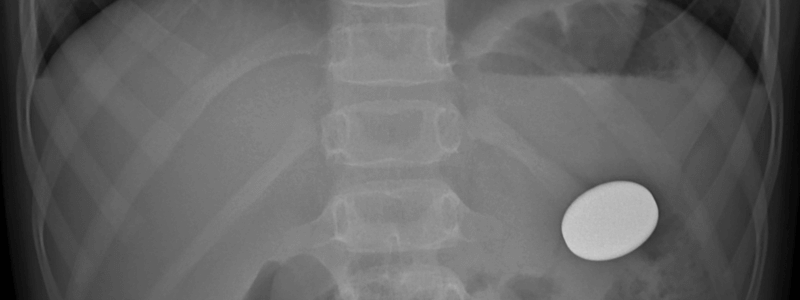
Ingested Foreign Bodies: An Overview
The ingestion of foreign bodies is a common problem that presents frequently to Emergency Departments. Although it can affect any age group, it is most frequently seen in young children between 6 months and 5 years. Coins are the most commonly swallowed objects, but...

Nerve Agents: Recognition and Management in Clinical Practice
Nerve agents, sometimes called nerve gases, are among the most toxic chemical warfare agents known. Originally developed during and after World War II, they are potent inhibitors of acetylcholinesterase and can cause rapid systemic collapse if not promptly managed....
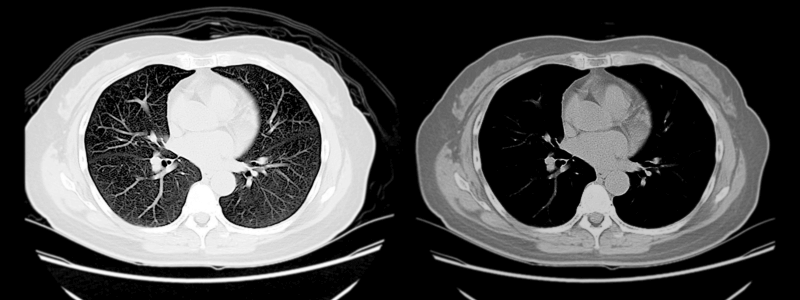
Cyanotic Congenital Heart Disease: A Radiologist’s Guide
Cyanotic congenital heart disease (CHD) typically involves right-to-left or mixed circulations, resulting in systemic desaturation. In adult imaging, most cases you encounter will be in patients with repaired or palliated anatomy. Others may present with long-standing...
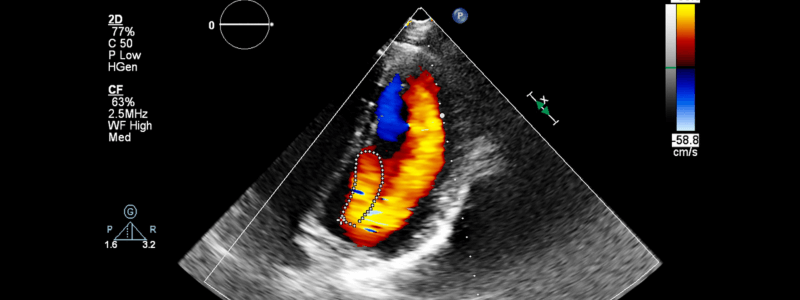
Acyanotic Congenital Heart Disease: A Radiologist’s Guide
Acyanotic congenital lesions are among the most frequently encountered cardiac abnormalities in adult imaging. Many are picked up incidentally, while others represent the long-term sequelae of childhood repairs. Sometimes, the diagnosis isn’t made until adulthood,...