
Methaemoglobinaemia
Methaemoglobinaemia occurs when red blood cells contain methaemoglobin at levels higher than 1%. Methaemoglobinaemia results from the presence of iron in the ferric form instead of the usual ferrous form. The ferric form is unable to bind oxygen, and its presence...
Understanding the APGAR Score
The Apgar score is a simple method of assessing a neonate’s well-being at birth. There are five criteria, each of which is allocated a score between zero and two. The assessment is generally performed at one and five minutes after delivery, and may be repeated later...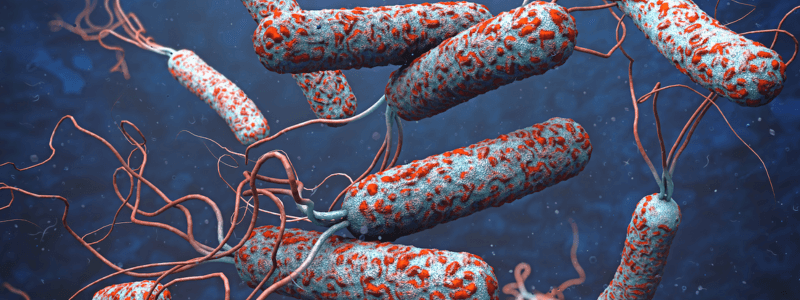
John Snow and the 1854 Cholera Outbreak
In August 1854, Soho in London was struck with a severe cholera outbreak. Cholera is a gastrointestinal infection caused by the bacterium Vibrio cholerae. It is still prevalent in areas with inadequate sanitation and poor food and water hygiene and remains a...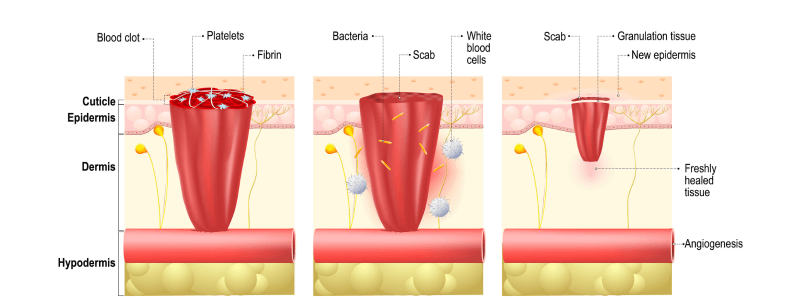
Wound Healing
Wound healing, as a normal biological process in the human body, is achieved through four precisely and highly programmed events: haemostasis, inflammation, proliferation, and remodelling. For a wound to heal successfully, all four phases must occur in the proper...