Exam Tips

Confounding, Bias & Effect Modification – At a Glance
These concepts appear simple. They are not. And they are frequently misunderstood in both exams and clinical research. Confounding – The Classic Third Variable Trap A confounder is a variable that is: Associated with the exposure Associated with the...

Comparing Data – At a Glance
Choosing the right statistical test depends on three things: Data type (parametric vs non-parametric) Number of groups Paired vs unpaired Parametric vs Non-Parametric Parametric tests = interval or ratio data (normally distributed) Non-parametric tests =...

Febrile Convulsions – At a Glance
Febrile convulsions are generalised seizures triggered by fever in otherwise normal children.They are usually benign but can be frightening for parents and caregivers. Epidemiology Occur in 2–5% of children aged 6 months to 5 years. Peak incidence: 14–18...

The Mental Health Act – At a Glance
The Mental Health Act (1983, amended 2007) is the main legislation for detaining, assessing, and treating people with mental health disorders without consent in England and Wales. Voluntary vs Detained Patients Voluntary patients agree to admission and...

Bacteria – At a Glance
Bacteria are microscopic, single-celled organisms. Most are harmless. Some cause disease: pathogens. What Makes Bacteria Dangerous? Toxins (e.g. Clostridium botulinum) Tissue invasion (e.g. Streptococcus pyogenes) Inflammation-triggering (e.g....
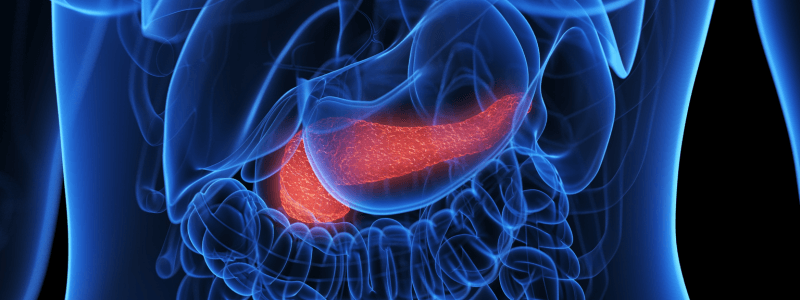
Acute Pancreatitis – At a Glance
Acute pancreatitis is a spectrum disease — ranging from mild, self-limiting episodes to severe, life-threatening illness with multi-organ failure. The two major causes are gallstones and alcohol. Epidemiology Incidence: ~56 cases per 100,000 people per year (UK)....

Brachial Plexus – At a Glance
A classic high-yield topic. Looks complicated. It isn’t, if you break it down correctly. Mnemonic First Rugby Teams Drink Cold Beers → Roots → Trunks → Divisions → Cords → Branches Anatomical Breakdown ROOTS (C5–T1): 5 anterior rami: C5, C6, C7, C8, T1...

Arterial Blood Gas Analysis – At a Glance
Arterial Blood Gases (ABGs) give rapid information about: Respiratory status (oxygenation and ventilation) Acid-base balance (metabolic or respiratory causes) They are critical for managing sick patients, especially in the ED, ICU, and respiratory wards. Normal...

Kawasaki Disease – At a Glance
Kawasaki disease is an idiopathic systemic vasculitis that mainly affects young children. Prompt recognition is essential to prevent coronary artery complications. Epidemiology Most common in children aged 6 months to 5 years (peak 18–24 months)....

Consultation Models for the MRCGP – At a Glance
The consultation is the foundation of general practice and the MRCGP expects you to know the major consultation models. Balint (1957) – The Doctor, His Patient, and the Illness Introduced the bio-psychosocial model of patient care....